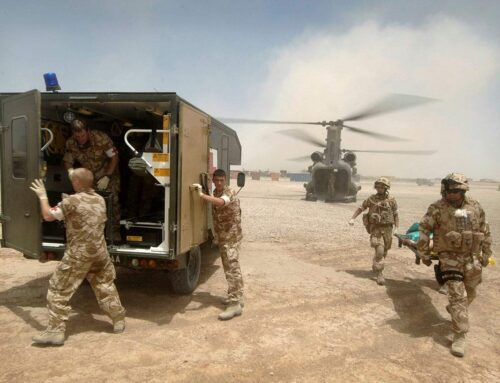
Military recovery is often misunderstood as a purely technical trade carried out behind the scenes. In reality, recovery is a command led capability that protects combat power across the full depth of the battlefield. When equipment becomes immobilised, damaged or broken down, the consequences reach far beyond a single vehicle. Recovery enables tempo, freedom of movement and operational endurance. Without it, combat formations would quickly become fixed, routes would clog with casualties and commanders would lose the flexibility required to manoeuvre.
Equipment support within the British Army exists to keep capability in the fight. Recovery is the thread that connects the forward battle to the repair and regeneration system behind it. Understanding how that system works helps recovery mechanics see how their role contributes to the wider mission and how individual decisions feed into operational success. It also highlights how recovery is planned and resourced long before deployment begins, ensuring the capability is available when it is needed most.
Michael Keech, Managing Director at EKA, explains why recovery must be seen as part of the wider operational system. “Recovery is not something that starts once the fighting stops. It begins the moment combat power is deployed. Every decision made in the forward battle has consequences further back in the support chain, so recovery has to be designed and delivered as a complete system rather than a collection of individual activities.”
Recovery also plays a critical role in sustaining the wider logistics architecture of the battlefield. By rapidly clearing disabled equipment and restoring mobility along main supply routes (MSRs), recovery assets prevent congestion that can disrupt the flow of combat service support. This ensures that fuel, ammunition and critical materiel continue to reach forward elements without delay. In this sense, recovery is not only about preserving individual platforms, but about maintaining the continuity of sustainment that underpins combat effectiveness and mission success.
Understanding the battle picture
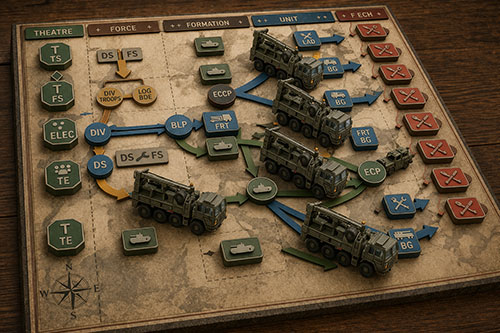
Recovery operations run from the frontline all the way through to OEM and specialist support lines in the rear echelon
To understand recovery, it helps to picture the battlefield from right to left. On the right sits the unit where the fighting happens. Immediately behind sits the formation, typically brigade level support. Further back sits force level, where divisional assets and higher-level coordination exist. Finally, theatre is the deepest layer, where heavy repair and regeneration take place.
Distances between these layers change depending on the operation, terrain and threat environment, but the logic remains constant. The further back you move, the more tools, time and specialist capability become available. The trade-off is tempo. Forward recovery is often expedient and reactive. Rear recovery is more deliberate and planed. This balance between speed and depth sits at the heart of recovery doctrine and shapes how commanders plan the use of recovery assets.
Michael Keech adds: “Commanders need confidence that recovery capability exists across the whole depth of the battlefield. That means understanding how each layer connects and how decisions made forward influence what happens further back. When recovery is properly integrated, it becomes a force multiplier rather than a reactive activity.”
Recovery in the close battle: the LAD
At unit level, recovery sits within the light aid detachment, commonly known as the LAD. This is a REME element embedded directly within the unit. LAD personnel live, train and deploy with the unit and operate under the unit’s chain of command.
Michael Keech said: “This relationship is important. LAD recovery is not focused on lengthy repairs. Its role is to keep the battle moving. Work happens under pressure, under threat and often with limited time and space. Decisions are driven by operational need rather than technical preference.”
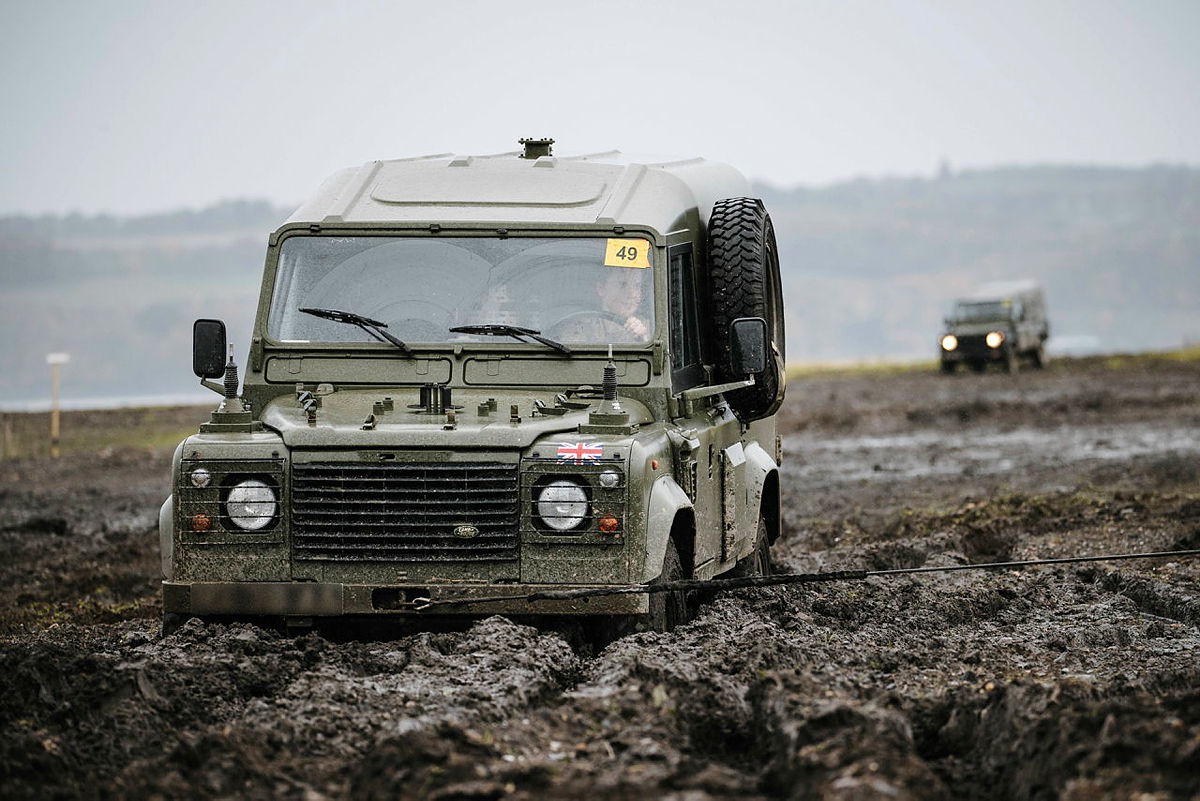
Forward recovery often takes place under challenging conditions. Terrain may be restricted, communications degraded and the tactical situation fluid. Recovery crews must be ready to operate in dispersed environments where speed and adaptability matter as much as technical skill. They also work closely with vehicle crews and commanders to understand the immediate tactical situation before committing to recovery activity.
What recovery looks like at unit level
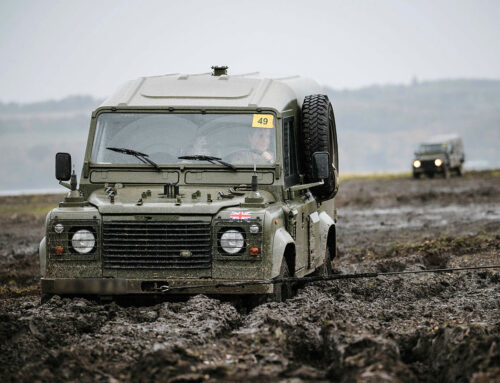
Typical tasks in the close battle include winching, towing, short duration interventions and battlefield repair. Track damage, mobility faults and minor mechanical issues are common.
Not every casualty can be recovered immediately and that is not failure. It is prioritisation. The aim is to preserve combat power, even if that means delaying recovery of lower priority vehicles. In some situations, vehicles may be moved only short distances until conditions allow further evacuation. This reflects the realities of operating under threat and within limited time windows.
Equipment collection points and preventing congestion
When armoured vehicles cannot be repaired forward by the LAD, they are moved to an equipment collection point (ECP). An ECP is not a fortified location or permanent facility. It is simply a designated area where armoured casualties are gathered and controlled.
The ECP prevents the close battle from becoming clogged with immobilised equipment and allows commanders to control onward movement. It also provides a degree of order within what can otherwise be a fast moving and chaotic environment, ensuring vehicles can be tracked and prioritised effectively.
Formation recovery and the forward repair team
Behind the unit sits formation level recovery. This is where a REME battalion operates from. This could be an armoured close support battalion that deploys its HQ element and its armoured and field companies. The armoured companies would most likely manage an equipment collection and coordination point (ECCP). The field company would both operate forward and backward – assisting the battlegroup LADs with vehicle moments and also dealing with backloading into the Force and Theare spaces.
“Formation recovery acts as the bridge between urgent forward activity and the structured repair system behind it,” says Michael Keech. “There is more time, more space and more equipment available, but operations remain tactically influenced. Formation recovery must still remain agile enough to respond to changing operational priorities and shifting front lines.”
Brigade support and ECCPs
As casualties are moved further back, recovery becomes increasingly coordinated. This is where the ECCP plays a role.
Michael Keech explains: “An ECCP is not simply a parking area. It is a coordination hub where equipment is assessed, prioritised and routed into the correct repair pathway. At this stage backloading becomes as much about planning, tracking and coordination as physical extraction. Accurate information and visibility become critical to avoid bottlenecks and ensure resources are used effectively.”
Force level recovery and controlled allocation
Some recovery assets are managed at divisional or force level rather than being permanently assigned to units. These resources can be directed where they are most needed across the wider battle picture.
This ensures recovery capability is used where it has the greatest operational impact. It also gives commanders visibility of recovery capacity and allows deliberate prioritisation across multiple formations.
Force is also where logistic brigades are typically positioned. Combat Service Support (CSS) elements that may operate further forward as attached assets instead function here as independent operating units. Like the combat units in the forward echelon, these formations will usually have REME workshops and/or LADs assigned to them, providing an additional layer of equipment recovery and maintenance support.
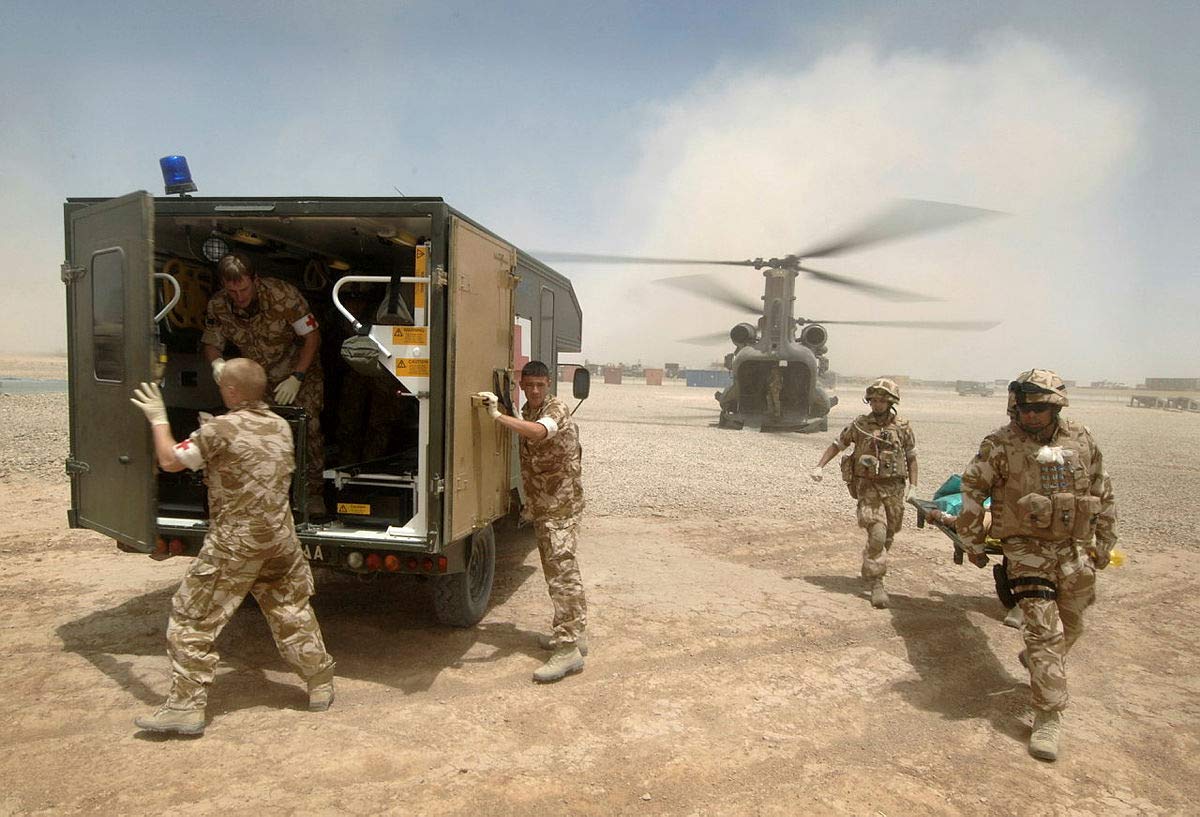
As equipment moves further rearward, it passes through backloading points, known as BLPs. These are handover points between recovery layers.
BLPs enable progressive evacuation. The more complex the repair, the further back it travels. This process is dynamic and can change depending on threat, time and operational tempo. It ensures that each layer focuses on the tasks it is best equipped to deliver while maintaining a steady flow of equipment through the support chain.
Theatre depth and regeneration
In theatre, recovery reaches its deepest level. Specialist workshops, power pack facilities and heavy repair capability come into play. Equipment may be rebuilt, cannibalised or regenerated for future operations.
In some cases, equipment is returned to industry for deeper support. Decisions made in the forward battle can therefore influence capability months or even years later. The recovery chain ultimately feeds into long term fleet availability and sustainment planning.
Command, control and prioritisation
Recovery is ultimately command led. Recovery mechanics provide expertise and enable action, but prioritisation sits with commanders. Some vehicles will be prioritised for rapid recovery others may be delayed.
Michael Keech explains: “From the ground this can feel abrupt or restrictive. In reality it reflects the needs of the battle rather than the condition of the vehicle. Recovery capability is finite and must be allocated deliberately to support operational objectives.”
What this means for the recovery mechanic
Many recovery mechanics experience only one layer of this system during a deployment. Understanding the wider structure improves effectiveness and context. Recovery is not just technical competence. It is operating within a system shaped by tempo, threat and command intent.
Aligning recovery capability with operational reality
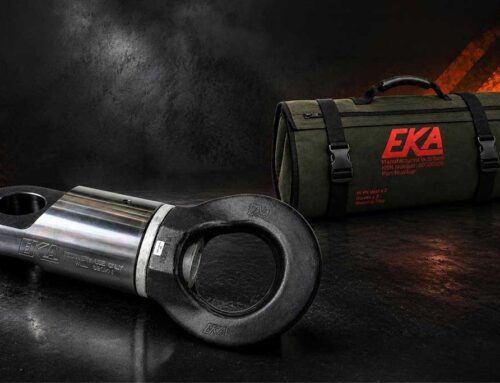
Not all industry partners will understand doctrine and command structures. At EKA we make this our business to not only understand it, but we use it to drive development and the solutions that we offer. Recovery vehicles and support solutions must reflect how equipment is actually employed. Recovery begins the moment combat power is deployed and continues through every layer of the battlefield.