When a new recovery platform enters service attention often focuses on power, lift capacity and technology. Yet in practice the long term performance of any system depends just as much on what sits behind the engineering. Integrated logistics support (ILS) is the discipline that keeps equipment available, safe and cost effective throughout its life. When it is treated as optional capability suffers. When it is built in from the start platforms remain reliable and supportable for decades.
Today this matters more than ever. Modern defence forces must keep equipment ready for operations in an increasingly unpredictable world. Platforms may deploy with little notice and must stay available for long periods without interruption. ILS is what makes that possible.
Recent headlines surrounding the Boxer mechanised infantry vehicle, which will replace much of the British Army’s older armoured personnel carrier fleet, have shown how delays to technical documentation can prevent equipment from reaching initial operating capability even when the hardware is ready. Boxer is a modern modular fighting vehicle for protected mobility yet its entry into service has been slowed not by engineering faults but by incomplete support information.
This illustrates a wider point. A platform cannot be used or maintained safely until the support package is complete (in older terms ‘Q’ ready). ILS is not an administrative afterthought. It is essential to turning capability into something that can be used.
What ILS actually covers
ILS is often misunderstood as simply producing manuals at a cost. In reality documentation is the final output of a structured engineering process that begins at concept stage. It brings together logistic support analysis, reliability and maintainability thinking, maintenance task analysis, supply planning, safety considerations and training requirements. These activities ensure that the operator and maintainer can support the equipment safely when it enters service.
Supportability engineers analyse how the system will be used, the tasks required to keep it operational and what level of repair is appropriate. They consider the environment, the tools that exist, the skill level of maintainers and the lifecycle of components.
Martin Cooper, Supportability Engineer at EKA, explains how much sits behind the work: “People see a technical manual and imagine it is only writing. In truth every page rests on structured analysis which has already addressed maintenance, reliability, safety and supply chain issues long before the first sentence is written. None of this happens by chance. It is how you make sure the user can operate and maintain equipment safely from the very first day and how you keep that equipment dependable for years to come.”
The cost of neglecting ILS
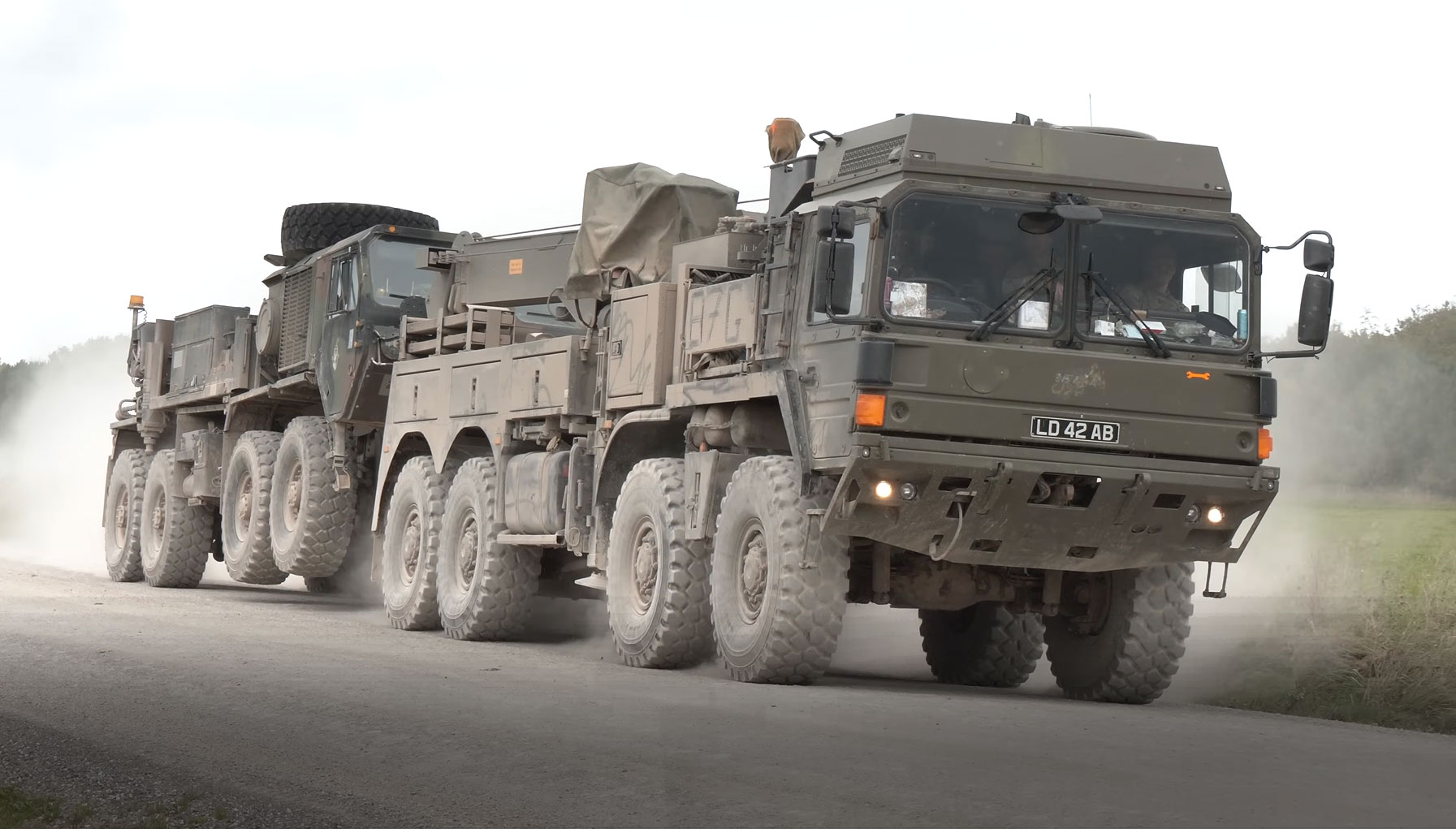
When ILS is reduced or delayed the consequences tend to surface long after a platform has entered service. The SV fleet provides an example of how fragmented documentation, missing illustrated parts catalogues and inconsistent component use can affect long term supportability.
These issues were the result of programme level decisions to reduce the scope of ILS work, not shortcomings in engineering. Martin highlights the lesson: “Technical documentation is always the last thing people think about and the first thing that causes trouble when it is missing. It is expensive because of the analysis behind it but if you cut that work early on you spend the next decade dealing with the consequences. Maintainers end up facing gaps and inconsistencies while the operational environment remains just as demanding. That is the opposite of what safe equipment support should look like.”
Supportability by design
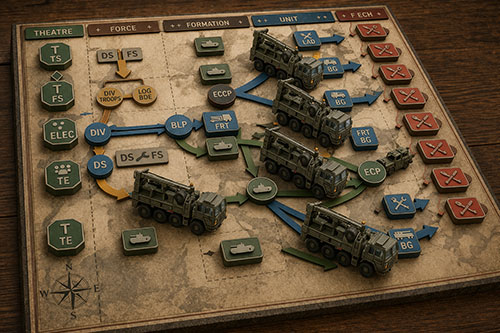
The most effective support solutions are built into equipment before it enters service. This is the approach EKA takes when acting as commercial design authority. Within the MOD’s CADMID cycle (see JSP 815 for more information), supportability should be considered from the earliest concept and assessment phases and refined through demonstration and manufacture. Decisions made at these stages shape how a platform is maintained, supported and sustained once it reaches service.
Ease of maintenance assessments are carried out early alongside level of repair analysis to determine which tasks can be completed by operators and which require higher levels of intervention. Maintenance task analysis is then used to define clear, practical procedures that reflect how the equipment will actually be used and supported. By addressing these factors early, support solutions are designed around the realities of operation rather than being retrofitted once the platform is already in service.
Scott Hendren, Supportability Manager at EKA, explains why this matters. “ILS is a fundamental part of the CADMID lifecycle, as opposed to something that happens at the end. When supportability is considered alongside design decisions, you avoid many of the problems that appear later in service. You get clearer maintenance tasks, better spares planning and documentation that actually reflects how the equipment is supported day to day.”
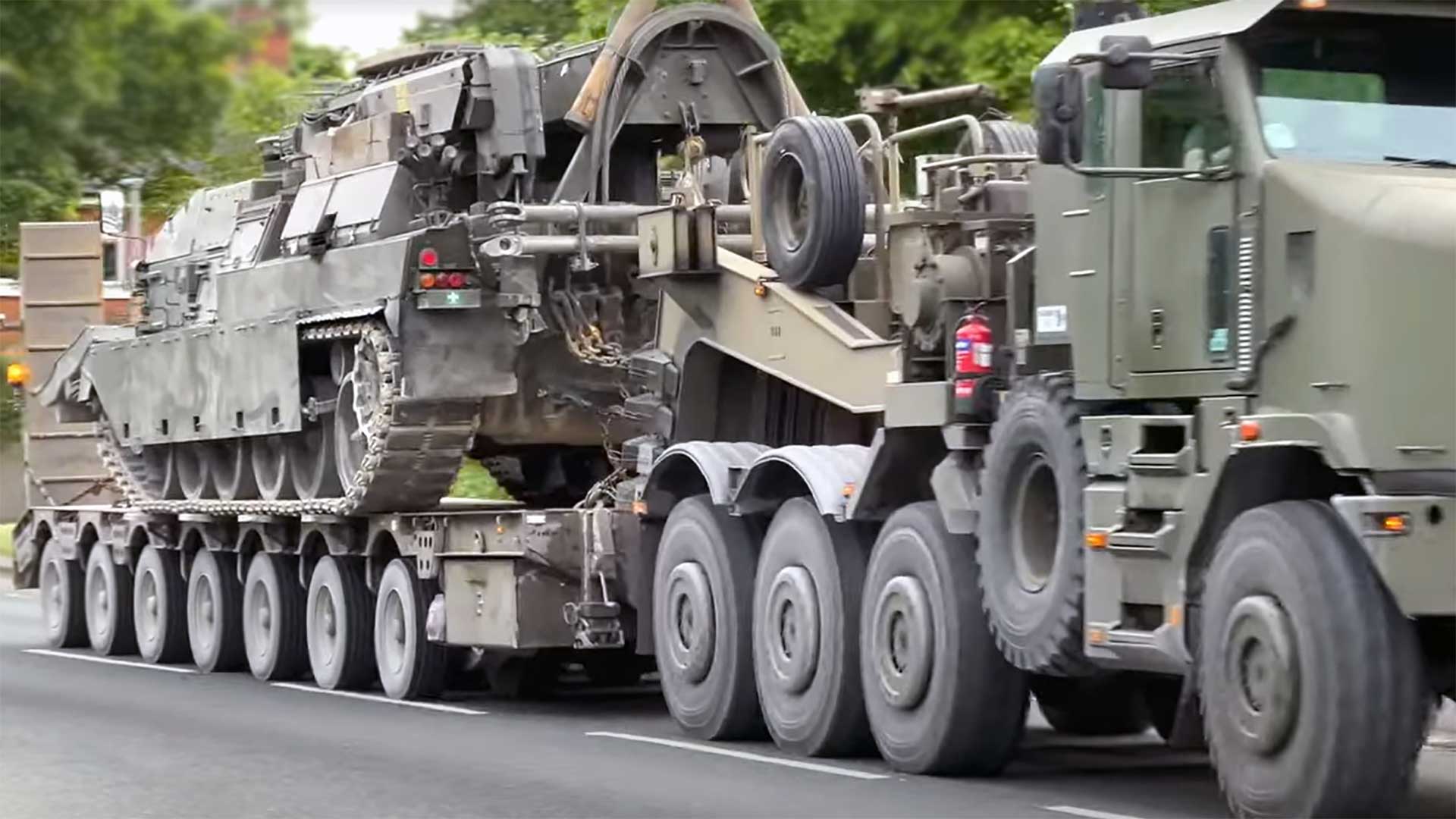
There are circumstances where the traditional CADMID cycle is compressed or bypassed. Equipment procured through an urgent capability requirement, such as Archer or PLS, is brought into service at pace to meet immediate operational need. In these cases, the normal sequencing of CADMID activities may not be possible. However, the need for ILS does not disappear. Instead, ILS activity must be adapted and delivered in parallel with fielding to ensure safety, availability and sustainability are maintained.
Scott adds, “Urgent capability does not remove the need for ILS, it changes how it is delivered. Supportability elements still have to be addressed, but it is often done at speed and under pressure. That makes experience even more important, because the risks of missing documentation, training or spares planning are higher when equipment enters service quickly.”
This combination of early lifecycle planning and practical adaptation allows EKA to support both long term programmes and urgent acquisitions, ensuring that equipment remains usable and supportable regardless of how it is brought into service.
The importance of reliable and usable technical documentation
Technical documentation is where all ILS activity becomes usable. It must be accurate, complete and written in a way that allows safe working. It must also be supported by the right information from equipment manufacturers so that drawings and procedures can be included legally and consistently.
Martin explains the scale involved: “On some major programmes the cost of producing the documentation almost matched the cost of the platform. People are surprised by that, but it reflects the level of engineering work behind it. When documentation is wrong or incomplete maintainers stop using it or invent their own methods and that is when real safety risks appear. Good documentation is not an add on. It is what protects the user.”
Training the operators and maintainers
Training is central to ILS because it determines how well the operator and maintainer can use and care for the equipment. EKA develops training packages that reflect the maintenance tasks identified during analysis. These packages support consistent working, reduce errors and help maintainers detect problems early. Training also embeds knowledge with the customer so that expertise remains long after delivery.
Managing obsolescence throughout the life of a system
Obsolescence will always occur. Components change and manufacturers bring new versions to market. Without active management these changes become costly. EKA manages obsolescence as part of its commercial design authority role. A recent example is the rapid evolution of battery powered tools. A platform supplied years earlier may still have chargers and fittings that no longer match modern tools even though those tools are relied upon for important tasks.
Scott explains the risk of leaving this unmanaged: “Keeping the original part is not always the right answer. You have to think about longevity as well as function. If something is already heading towards obsolescence when a system enters service you create problems for the next fifteen years. Managing obsolescence properly avoids that and prevents money being wasted on parts that no longer fit the way people work.”
EKA’s role as commercial design authority
EKA’s experience in integration and supportability allows it to deliver platforms with ILS built in. Its engineers produce ease of maintenance assessments, supply chain plans, spares lists, training packages and documentation that support real operational needs. The company brings together engineering knowledge, maintainer experience and structured support analysis to provide a solution that lasts for the life of the system.
Conclusion
ILS is not a set of manuals and it is not a task that can be added at the end of a project. It is the foundation of equipment longevity. It reduces through life cost, keeps availability high and ensures platforms can be used safely from their first day in service.
For project teams and procurement specialists the message is clear. Early investment in ILS is an investment in reliability and value. A platform without a support solution cannot meet its potential. A platform with a strong integrated logistics foundation delivers capability that lasts.